Choosing the right approach to early education is one of the most significant decisions parents can make. For families exploring options such as anearly learning centre Baulkham Hills, understanding the advantages of personalised teaching methods is essential.
Individualised learning stands out as a highly effective method for supporting the unique needs of toddlers and preschool-aged children. It allows educators to tailor their strategies to match each child’s pace, interests and developmental stage.
Understanding Individualised Learning
Individualised learning is an educational method that places the child at the centre of the learning experience. Rather than following a fixed curriculum for every child in the same way, educators adapt learning activities, goals and strategies based on the abilities, interests and needs of each child.
How It Works in Early Childhood Settings
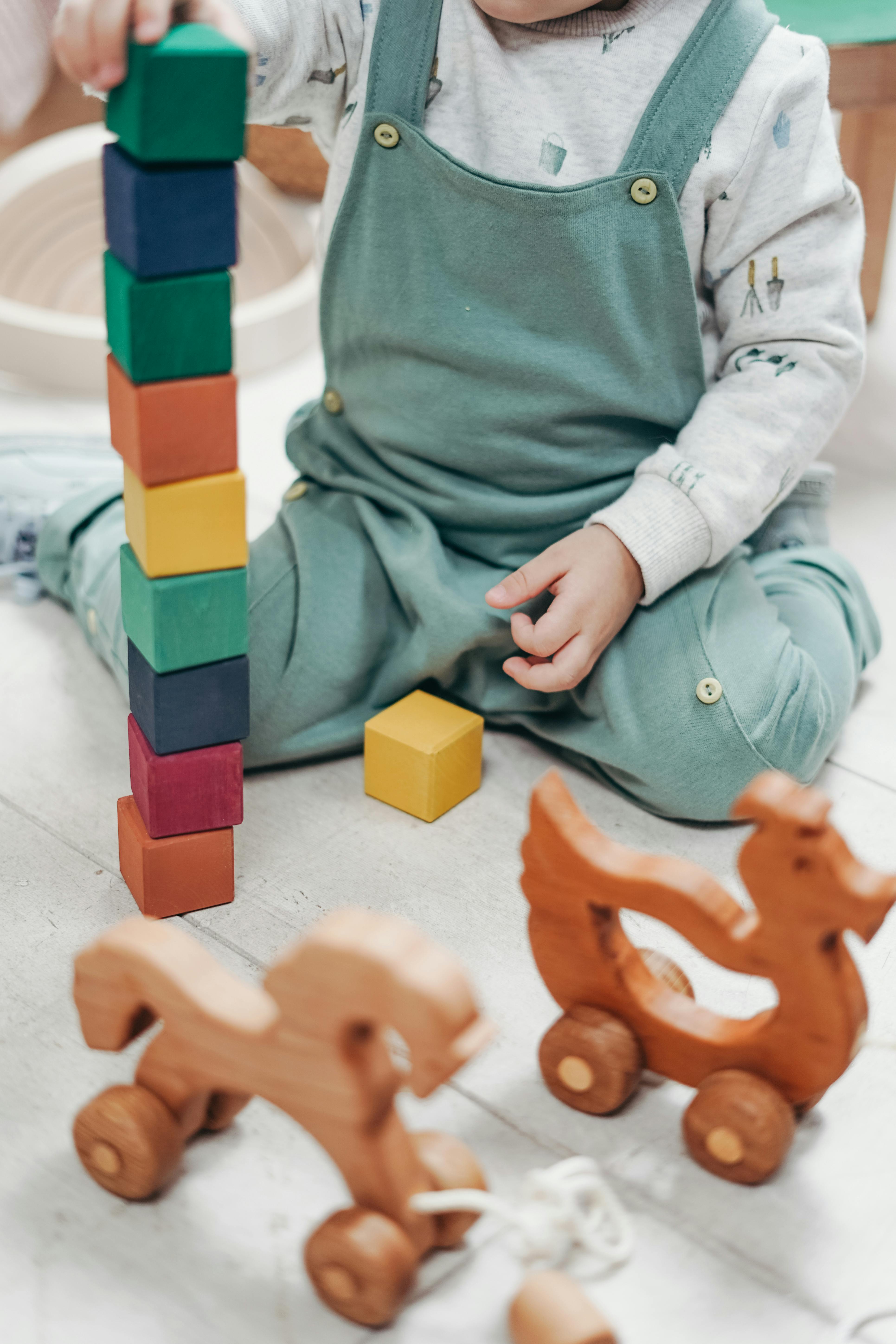
In early childhood environments, this approach involves regular observation, assessment and planning by educators. They work closely with each child to understand their strengths and where they may need support, ensuring activities are appropriately challenging but achievable.
Fostering Emotional and Social Growth
The benefits of individualised learning extend far beyond academic development. It plays a pivotal role in supporting emotional and social growth during these critical early years.
Building Confidence Through Success
When children are given tasks suited to their current level, they are more likely to succeed. This sense of achievement boosts their confidence, making them more willing to try new challenges and engage with their peers.
Strengthening Relationships with Educators
Personalised approaches often lead to stronger bonds between children and educators. When a child feels seen and understood, trust grows. This emotional security lays the foundation for healthy social development.
Supporting Cognitive Development
Each child’s brain develops at a different pace. Individualised learning respects this natural variation and creates optimal conditions for cognitive development.
Tailoring Activities to Cognitive Stage
Children learn best when tasks are within their zone of proximal development—challenging enough to stimulate learning but not so difficult as to cause frustration. Educators who tailor their methods accordingly help children build thinking skills, memory and problem-solving abilities.
Encouraging Curiosity and Exploration
When children are allowed to follow their interests, they become more engaged in learning. Whether it’s counting blocks, exploring colours or asking questions about nature, their natural curiosity is nurtured and expanded.
Language and Communication Skills
Language development is a central focus in early learning, and personalised instruction enhances this by allowing children to practise communication in meaningful ways.
Speaking and Listening Opportunities
In an individualised setting, children are encouraged to express their thoughts freely. Educators listen actively and respond in ways that extend conversations, helping children refine their vocabulary and sentence structure.
Literacy Foundations
Children with an interest in books and stories may be guided toward early reading and writing experiences, while others may start with listening and comprehension tasks. Each pathway supports growth without pressure.
Adapting to Learning Styles and Preferences
Every child processes information differently. Some learn best through movement, others through music, visuals or hands-on activities.
Matching Activities to Learning Styles
An individualised approach ensures that educators can vary their teaching methods. A child who enjoys drawing may be invited to express ideas through pictures, while another who loves building may explore mathematical concepts using blocks.
Creating a Comfortable Learning Space
By recognising how each child prefers to learn, educators can create spaces that feel safe and welcoming. This comfort leads to improved attention, participation and retention of new concepts.
Encouraging Independence and Responsibility
One of the overlooked benefits of individualised learning is how it promotes independence.
Decision-Making Opportunities
Children are given opportunities to choose activities based on their interests. This teaches them to make decisions and take responsibility for their choices.
Supporting Self-Regulation
With consistent guidance, children learn how to manage their emotions and behaviour in different situations. These early skills are essential for future academic and social success.
Inclusivity and Support for Diverse Needs
Individualised learning is especially beneficial for children with additional needs, developmental delays or those learning English as a second language.
Adjusting Goals and Strategies
Educators can set realistic goals based on each child’s development, providing targeted support while celebrating progress. This ensures no child feels left behind.
Valuing Cultural Backgrounds
A personalised approach also takes into account a child’s cultural identity. Educators can include materials and practices that reflect each child’s background, creating a more inclusive environment.
Role of Parents in Individualised Learning
Parental involvement is a vital part of a successful early learning journey.
Sharing Insights and Observations
Parents can provide valuable information about their child’s interests, routines and behaviours. This helps educators plan more effectively and keeps learning consistent between home and the centre.
Staying Informed About Progress
Regular communication between educators and parents means both parties can track development, celebrate achievements and address any concerns early on.
Preparing for School Transition
A child’s readiness for primary school is influenced by their confidence, skills and adaptability—all of which are strengthened through individualised learning.
Building a Strong Foundation
Children who receive personalised attention are more likely to develop literacy, numeracy, and social-emotional skills at their own pace. These foundations help ensure a smooth transition into formal schooling.
Promoting a Positive Attitude Towards Learning
When children feel supported and capable, they are more likely to develop a positive attitude towards learning that lasts well into their school years and beyond.
Choosing the Right Early Learning Environment
Finding the right early childhood setting is essential for families interested in personalised education.
Key Features to Look For
- Low educator-to-child ratios
- Observational assessments and individual planning
- Flexible learning environments
- Collaborative relationships with families
Asking the Right Questions
Parents should feel comfortable asking about how the centre supports individual learning, what strategies are used for different needs and how progress is tracked over time.
Frequently Asked Questions
What age can children benefit from individualised learning?
Children as young as 18 months can benefit from individualised learning. Even toddlers show preferences and respond positively when activities are tailored to their stage of development.
Is individualised learning only for children with special needs?
No, all children benefit from individualised learning. While it is especially helpful for children with additional needs, it supports every child in developing at their own pace.
How do educators keep track of each child’s progress?
Educators use observation notes, developmental checklists and learning journals to monitor progress. These tools help them plan future activities and communicate effectively with families.
Conclusion
The benefits of individualised learning for toddlers and preschoolers are wide-ranging and long-lasting. This approach not only supports academic development but also fosters emotional wellbeing, communication skills and a love of learning.
For families searching for the right environment, such as an early learning centre Baulkham Hills, choosing one that values each child’s unique journey is a strong step toward lifelong success.