
Complex engineering projects demand accuracy, durability, and flexibility—attributes that standard off-the-shelf components can rarely deliver alone. Custom metal fabrication fills this gap, providing tailored solutions that meet specific project needs across industries such as construction, mining, transport, energy, and manufacturing.
Metal fabricators work closely with engineers to design, cut, shape, and assemble components that integrate seamlessly with larger systems. These parts are not only structurally sound but also designed for performance under load, temperature variation, vibration, and chemical exposure.
Material selection also plays a role early in the process. Some projects raise the debate of steel vs metal when comparing the strength, cost, and formability of different alloys. While steel is technically a type of metal, the comparison often relates to pure metals versus engineered alloys—a distinction that influences fabrication decisions.
This article explains how custom metal fabrication supports complex engineering projects, with insights into process control, collaboration, compliance, and value creation from concept to installation.
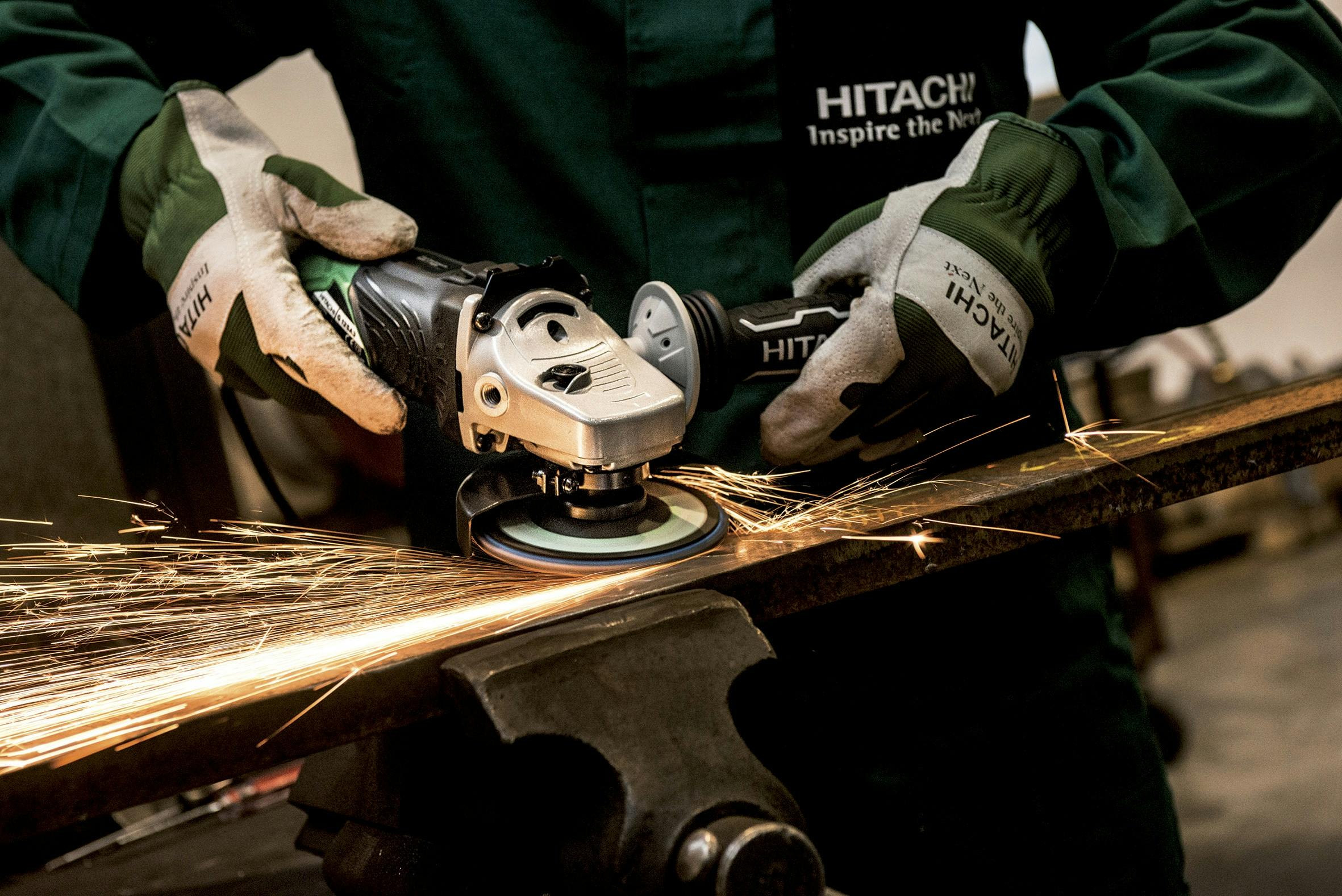
Custom Fabrication Bridges the Gap Between Design and Reality
Translating Engineering Drawings into Physical Components
Complex builds rely on detailed drawings that specify dimensions, tolerances, and material types. Custom metal fabrication turns these designs into real components with precision, ensuring every angle, hole, and edge matches the intended fit.
Fabricators use CNC laser cutters, press brakes, and welding systems to replicate exact shapes and sizes from sheet or plate material. Unlike mass production, these parts are tailored for a unique application or a one-off assembly.
Supporting Non-Standard Dimensions and Configurations
In many engineering projects, components cannot follow standard sizing due to space constraints or performance requirements. Custom fabrication allows for oversized frames, reduced-clearance enclosures, or bespoke brackets that fit perfectly into complex assemblies.
This adaptability reduces the need for field modification and speeds up installation on site.
Material Flexibility Enables Function-Specific Solutions
Matching Material to Performance Requirements
Different metals serve different purposes. Stainless steel may be chosen for corrosion resistance, aluminium for lightweight performance, and mild steel for general structural use. Projects involving heat, chemicals, or impact must factor in how the material will behave over time.
Custom fabrication gives engineers the ability to choose the right metal—or combination of metals—for each component. Whether it’s a support beam or a machine guard, the choice of material affects safety, longevity, and cost.
Comparing Steel vs Metal in Project Planning
When teams compare steel vs metal, the discussion often involves pure metals like aluminium or copper versus steel alloys. Steel offers high tensile strength and is ideal for structural use. Metals like aluminium are better suited for applications requiring weight reduction or conductivity.
Fabricators help determine which material best suits the task, taking into account cost, availability, and processing ease.
Accuracy and Tolerance Control Improve System Performance
Tight Tolerances for Critical Alignments
In large engineering projects, a few millimetres can make the difference between a smooth installation and costly rework. Custom metal fabrication supports tight tolerances—often within ±0.5 mm—thanks to CNC-guided cutting and forming.
Precision in fabrication ensures alignment of bolt holes, consistent spacing in brackets, and level surfaces in frames. These tolerances are vital for machinery mounts, conveyors, or load-bearing assemblies that require precise integration.
Reduced Error Rate Through Quality Control
Reputable fabricators implement inspection checkpoints during production. These may include dimensional checks after cutting, angle verification after folding, and weld inspection before finishing.
Errors are caught early, avoiding downstream issues in assembly or installation. This saves time, reduces waste, and prevents schedule overruns.
Welding and Assembly for Structural Integrity
Custom Weld Procedures for Specific Materials
Different metals require different welding methods. Custom fabrication includes weld procedure documentation tailored to the materials in use. MIG welding is often used for structural steel, while TIG welding suits aluminium or stainless steel with cleaner finishes.
Joint preparation, heat input, and filler selection are adjusted to maintain strength and visual quality. These details ensure the component performs as expected under dynamic loads or environmental stress.
Sub-Assembly and Final Integration
Some fabricators go beyond individual parts and create full sub-assemblies, saving time for the main contractor. These could include:
- Welded frames
- Pre-punched panels
- Assembled pipe racks
- Mounting plates with integrated hardware
Complete assemblies reduce the need for on-site welding, lowering installation risk and labour costs.
Finishing and Coating Options Extend Durability
Protection Against Corrosion and Wear
Complex engineering projects often take place in harsh environments—mines, factories, coastal infrastructure, and heavy vehicles. Fabrication services include finishes such as:
- Powder coating for abrasion resistance
- Hot-dip galvanising for outdoor steelwork
- Anodising for aluminium parts
- Zinc-rich primers for marine or chemical exposure
These finishes are matched to the operating conditions, extending the service life of the components.
Custom Surface Treatments for Functionality
Some projects require specific surface properties. For example, stainless steel may be passivated after welding to restore corrosion resistance, or textured finishes may be applied to reduce glare in safety-sensitive areas.
Custom fabrication allows these treatments to be applied as needed, not just for aesthetics, but also for operational suitability.
Supporting Compliance and Documentation
Certification and Standards Compliance
Large-scale engineering projects often require fabrication to meet Australian standards, including:
- AS/NZS 1554 for welding
- AS/NZS 5131 for steel structures
- AS/NZS 3679 for steel material grades
Certified fabricators can supply documentation such as material test reports, weld procedure records, inspection sheets, and coating thickness data. These records support audits and handover documentation for public or commercial builds.
Traceability and Reporting
Projects with high compliance demands may require traceability of components—from raw material to finished assembly. Custom fabricators maintain batch records, heat numbers, and part tracking through digital job cards or ERP systems.
This level of control ensures accountability and simplifies maintenance or replacement in the future.
Faster Turnaround and Reduced Site Delays
Pre-Planning Fabrication Reduces On-Site Adjustments
Engineering builds with tight schedules benefit from accurate off-site fabrication. When parts arrive ready to install, site labour is reduced and installation risk is minimised.
Avoiding in-field cutting or welding also improves safety, especially in confined or high-risk environments.
Consistent Communication and Project Management
Custom fabrication supports complex builds through regular updates, drawing reviews, and milestone coordination. Fabricators often work alongside contractors, engineers, and site managers to adjust delivery, clarify revisions, and ensure the component arrives when needed.
This integrated approach keeps fabrication aligned with project milestones.
Frequently Asked Questions
How early should I involve a fabricator in a project?
Involving a fabricator during the design phase allows better material selection, manufacturing feedback, and cost estimates. Early collaboration also reduces the chance of design revisions later due to manufacturability concerns.
Can I request modifications mid-project?
Yes, though the ease of modification depends on the stage of fabrication. Minor changes like hole repositioning or bracket addition are often possible if flagged early. Major changes may require design approval and delay production.
Are custom-fabricated parts more expensive than standard ones?
Not always. While upfront costs may be higher for one-off items, custom fabrication avoids labour-intensive modification of standard parts, reducing overall installation costs. The savings in time and performance can offset the initial expense.
Conclusion
Understanding how custom metal fabrication supports complex engineering projects is key to making informed choices in structural design, installation planning, and long-term asset performance. From load-bearing frames and welded assemblies to coated panels and precise brackets, custom fabrication adds value where standard solutions fall short.
Whether you’re comparing steel vs metal for material properties or coordinating fabrication with engineering drawings, the benefit lies in the ability to produce exactly what the project requires—nothing more, and nothing less.
In industries where downtime, failure, or delays are costly, custom fabrication provides reliable, compliant, and functional components that align perfectly with your engineering vision. With expert planning, skilled trades, and accurate execution, fabrication becomes more than just manufacturing—it becomes a core part of successful project delivery.