
When it comes to achieving the perfect finish for your interior walls, precision skimming & finishing for internal walls is key. Whether you’re looking to prepare your walls for painting or need a flawless surface for further decoration, professional skimming and finishing services ensure that your walls achieve a smooth, seamless appearance. If you’re planning a renovation or new build, have a peek here to see how expert plastering can transform your internal spaces.
What is Skimming & Finishing for Internal Walls?
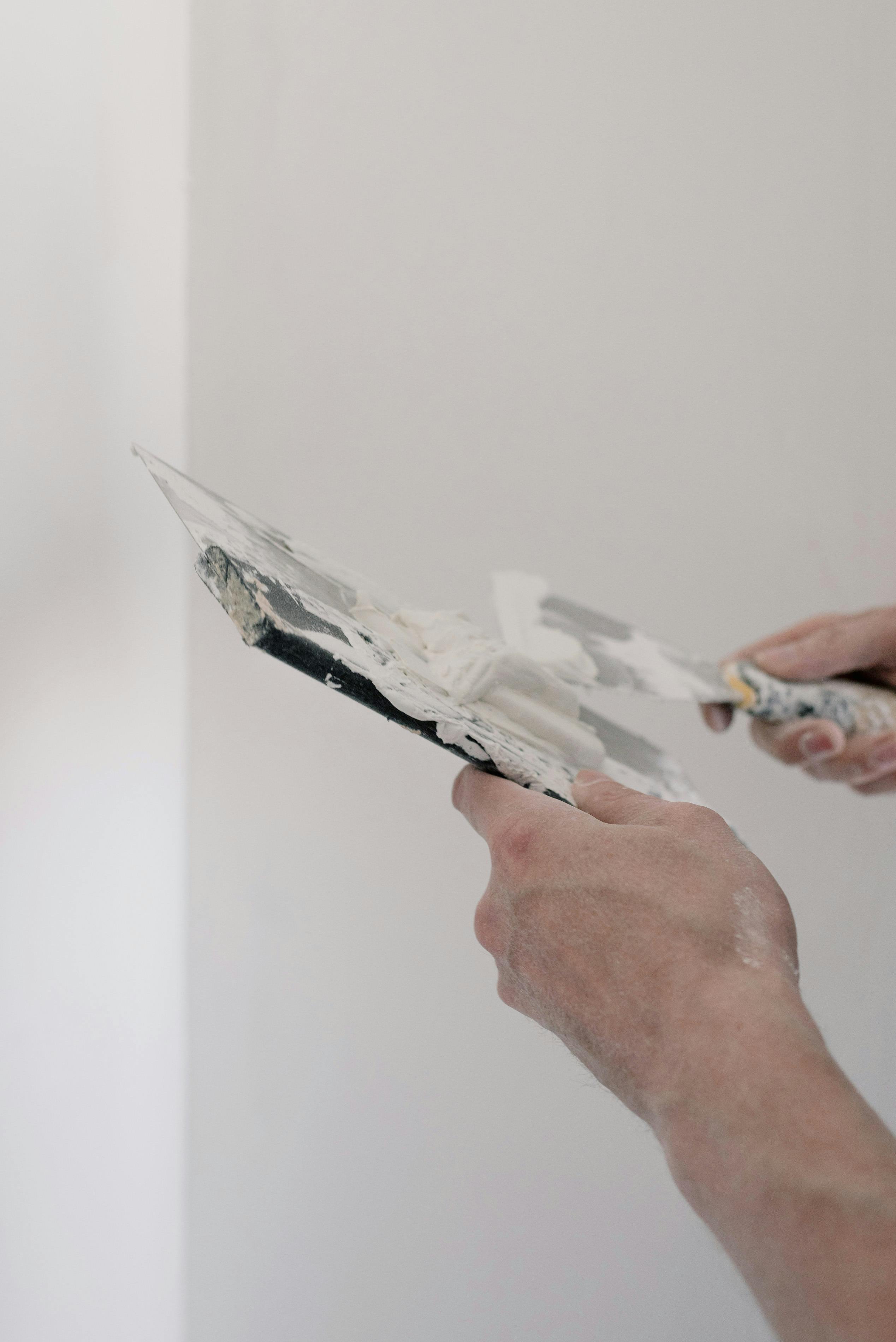
Skimming and finishing are processes that focus on creating a smooth, even surface on internal walls. This technique is often applied after the initial plasterboard installation or when repairing damaged walls.
Skimming is the application of a thin layer of plaster or compound over an existing wall to smooth out any imperfections, such as cracks, dents, or rough patches. Finishing involves the final steps to ensure that the surface is polished, even, and ready for painting or other finishes.
These methods are essential for creating a professional, high-quality finish that not only looks good but also enhances the longevity and durability of your walls. Whether you’re working on a new construction, a renovation project, or wall repairs, precision skimming and finishing can make all the difference.
Why is Precision Skimming & Finishing Important?
Precision skimming and finishing play an important role in the overall quality and appearance of your internal walls. By ensuring that the surface is smooth and flawless, you are setting the stage for a high-quality paint job or wallpaper application, contributing to the aesthetic appeal of the space.
Additionally, properly applied skimming and finishing help to ensure durability, prevent cracks, and improve insulation properties.
Enhancing Aesthetic Appeal
One of the main reasons homeowners and builders opt for precision skimming and finishing is to achieve a flawless, smooth surface. Walls that are even and free from imperfections provide the perfect foundation for painting or other decorative treatments.
With a clean, smooth finish, the colour and texture of your walls will appear more vibrant and consistent, contributing to a professional and polished look.
Increasing Durability
Skimming and finishing are also essential for enhancing the durability of internal walls. When done correctly, skimming helps to strengthen the surface, making it more resistant to cracks, chips, and other forms of damage. The smooth surface created by finishing ensures that paint adheres better and lasts longer, preventing the need for frequent touch-ups.
Improving Insulation and Soundproofing
Skimming and finishing techniques can improve the insulation properties of your internal walls. Adding a smooth layer of plaster helps to create a more uniform surface, enhancing the thermal performance of the walls.
This can help to maintain a comfortable temperature within your home and reduce energy bills. Additionally, proper skimming and finishing can contribute to soundproofing, particularly in multi-storey homes or buildings with shared walls.
Types of Skimming & Finishing for Internal Walls
There are various methods and materials used for skimming and finishing internal walls, depending on the desired outcome and the condition of the walls. Here are some of the most common services available for internal wall skimming and finishing:
Plasterboard Skimming
Plasterboard skimming involves applying a thin layer of plaster to drywall or plasterboard. This method is often used for new builds or when renovating older properties. The plaster is spread evenly over the surface to create a smooth, seamless finish. Professional plasterers ensure that the plaster adheres properly to the surface, providing a durable and high-quality finish.
Plasterboard skimming is ideal for walls that are structurally sound but need to be smoothed out or prepared for painting. It’s a quick and cost-effective way to achieve a professional look, especially in larger spaces.
Traditional Plaster Skimming
For older properties or more intricate wall surfaces, traditional plaster skimming may be used. This technique involves applying a thin layer of plaster over the existing plaster walls, filling in any gaps or cracks. It’s particularly effective for restoring damaged plaster and creating a perfectly smooth surface for painting or other finishes.
Traditional plaster skimming is a more labour-intensive process than plasterboard skimming but can provide superior results in terms of smoothness and durability.
Multi-Layer Skimming
For walls with significant damage, such as deep cracks or uneven surfaces, multi-layer skimming may be necessary. This technique involves applying multiple layers of plaster over the surface, each layer building up and smoothing out the imperfections.
Multi-layer skimming is often used when a wall is heavily damaged or has been previously repaired multiple times.This method allows plasterers to achieve a perfectly even finish, ensuring that the final surface is flawless and durable.
Decorative Finishing
In addition to creating a smooth, even surface, decorative finishing techniques can be applied to internal walls to add a touch of style and personality. These finishes include textured plasters, such as knockdown, stipple, or sponge finishes, which create unique patterns and textures on the walls.
Decorative finishes can be used in living rooms, dining areas, or feature walls to create visual interest. Professional plasterers can recommend the best decorative finishes to suit the style of your home or business.
The Process of Precision Skimming & Finishing for Internal Walls
The process of precision skimming and finishing involves several steps to ensure that the walls are smooth, even, and properly prepared for the final coating. Here’s an overview of the typical process involved:
Step 1: Surface Preparation
Before any skimming or finishing can take place, the surface of the walls must be prepared. This involves cleaning the walls to remove any dirt, grease, or debris. If there are any existing cracks or holes, they will need to be filled and smoothed out. The surface should also be primed to ensure that the plaster adheres properly.
Step 2: Applying the First Layer of Plaster
Once the surface is clean and prepped, the plasterer will apply the first layer of plaster. This layer is spread evenly across the wall to fill in any cracks or imperfections. The plaster is smoothed out to create a flat, even surface.
Step 3: Additional Layers and Finishing
For more challenging surfaces or for multi-layer skimming, additional layers of plaster may be applied. Each layer is left to dry before the next one is applied. After the final layer has been applied and dried, the plaster is sanded down to achieve a smooth, even surface.
The finishing touches are then added to ensure that the surface is perfect. This may include final sanding, smoothing, or the application of a decorative finish, depending on the project’s requirements.
Step 4: Drying and Curing
Once the plaster has been applied and finished, it is left to dry. Drying times vary depending on the type of plaster used, the thickness of the layers, and environmental factors. Once the plaster is fully dry, it is ready for painting or other finishing treatments.
Why Choose Professional Skimming & Finishing Services?
While it may be tempting to try skimming and finishing on your own, hiring professionals ensures that the job is done correctly. Here are the benefits of choosing expert plastering services:
Expertise and Skill
Professional plasterers have the experience and skills to achieve the best possible finish. They understand the nuances of working with different types of surfaces and materials, ensuring that your walls and ceilings are perfectly finished.
Quality Materials
Experts use high-quality materials to ensure that the plastering lasts for years. Whether you need plasterboard skimming or traditional plaster, professionals will choose the best materials for your specific needs.
Time and Cost Efficiency
Hiring professionals saves you time and effort. Plastering can be a time-consuming process, but experts work quickly and efficiently, ensuring that your project is completed on schedule. Additionally, professional skimming and finishing reduce the likelihood of mistakes, which can result in costly repairs.
Long-Lasting Results
Expertly applied plaster is more durable and less likely to crack, chip, or peel. Professional plasterers ensure that your walls are finished to the highest standard, providing long-lasting results that stand the test of time.
Frequently Asked Questions
How long does skimming take?
The time required for skimming depends on the size of the area and the condition of the walls. For smaller rooms, the skimming process may take a day or two, while larger areas or multi-layer skimming can take several days.
Can skimming be done over wallpaper?
Skimming can be done over wallpaper, but it is typically better to remove wallpaper first. Wallpaper can affect the adhesion of the plaster, which may lead to peeling or cracking over time.
Is skimming the same as plastering?
Skimming is a form of plastering, specifically the application of a thin layer of plaster to smooth out walls and ceilings. While plastering can include more extensive work, such as building up thickness or repairing damaged plaster, skimming focuses on creating a smooth, even finish.
Conclusion
Precision skimming and finishing for internal walls are vital for achieving a smooth, durable, and professional finish in your home or business. Whether you’re preparing your walls for painting, repairing damaged surfaces, or adding decorative elements, expert plastering services ensure that your internal spaces look flawless. With the help of professional plasterers, you can achieve long-lasting results that enhance the beauty and functionality of your space.