
Australia’s construction landscape continues to evolve, with multi-level buildings becoming a standard feature in urban and suburban areas. Meeting the structural demands of these developments requires precision, efficiency, and collaboration.
Custom steel solutions for multi-storey projects play a major role in this space, offering adaptable, engineered framing systems that meet safety, performance, and time expectations.
Builders, architects, and engineers are turning to tailored steel packages supported by digital tools to improve delivery outcomes. A critical part of this shift is the adoption of BIM steel framing detailing Melbourne teams are increasingly relying on to handle structural complexity and site-specific coordination.
These models form the backbone of how custom steel framing is visualised, analysed, and executed on multi-storey builds.
Introduction to Custom Steel Framing in Multi-Level Construction
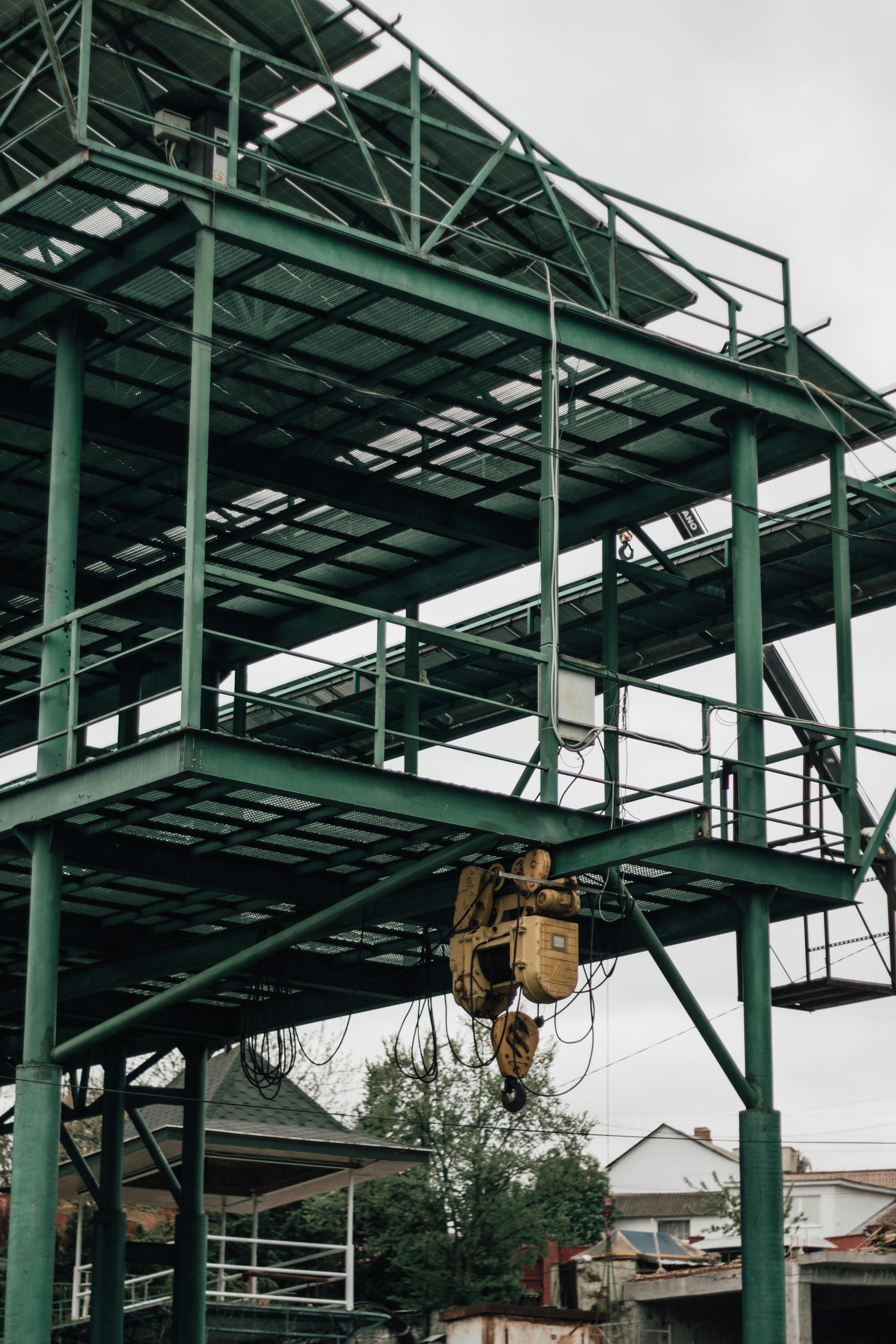
Why Steel Suits Multi-Storey Projects
Steel framing brings consistent strength-to-weight performance, enabling taller structures with wide internal spans and fewer support columns. Unlike timber, steel remains stable regardless of humidity or pest exposure, making it a better fit for builds involving apartments, townhouses, or mixed-use spaces with ongoing occupancy and high loading.
With multi-level residential projects demanding reduced build time and higher energy efficiency, steel framing supports faster assembly, reduced waste, and integration with performance-rated insulation systems.
Growing Role of BIM and Customisation
As projects grow more complex, builders are no longer relying on generic frame kits. Instead, they are choosing custom steel systems designed specifically for the building’s layout, occupancy load, and sequencing.
The use of BIM steel framing detailing Melbourne services enhances this process by providing a digital replica of the framing structure. Coordination between trades, services, and structural elements becomes easier and more predictable.
Core Features of Custom Steel Solutions
Project-Specific Engineering
Each custom steel frame package begins with a detailed understanding of the build. Structural engineers analyse the soil report, wind classification, bracing requirements, and fire rating compliance. This allows them to design framing systems that meet both the architectural goals and structural demands.
Frame members are selected based on the span they must cover, the load they must carry, and how they connect with other building systems.
Modular and Scalable Components
Custom solutions allow for modular construction, where framing panels are fabricated off-site in sections and assembled in sequence. These modules can include wall frames, floor joists, and roof trusses for each level, aligned with the builder’s planned work stages.
Scalable solutions are especially useful in townhouse rows or apartment stacks, where repeating layouts must be supported by strong yet lightweight materials.
Design Workflow for Custom Steel Framing
Structural and Architectural Review
The process begins by evaluating architectural drawings alongside engineering inputs. This includes room layouts, stairwell positions, service ducts, and facade detailing. Any conflicts or performance concerns are resolved before fabrication begins.
Engineers also work to optimise framing layouts for reduced waste and faster installation, suggesting adjustments to internal wall placements or floor levels if needed.
3D Modelling and Clash Detection
Once designs are confirmed, 3D models are created to reflect the steel framing structure. These models incorporate everything from studs and noggings to truss connections and bolt layouts. Service routes for electrical, plumbing, and HVAC are mapped onto the framing to check for clashes or interference.
The model becomes a central file that all trades reference during planning and installation, reducing uncertainty and site delays.
Fabrication Drawings and CNC Processing
After the model is signed off, fabrication drawings are created for each frame component. These are then sent to CNC roll-forming machines where steel coils are processed into exact lengths and hole patterns.
Each part is labelled, bundled, and prepared for just-in-time delivery, reducing the need for on-site storage and minimising handling errors.
Advantages in Multi-Storey Building Delivery
Faster Build Times
Prefabricated steel framing arrives on site ready to install. With each wall, floor, and truss labelled and pre-punched, builders avoid the time-consuming tasks of measuring and cutting. Projects move from slab to lock-up in a shorter timeframe, improving return on investment and keeping development schedules intact.
This is especially useful in multi-storey settings, where staging and floor-by-floor delivery must be managed tightly.
Fire and Pest Resistance
Custom steel frames provide non-combustible structure from ground to roof. This supports compliance with fire regulations in apartment buildings and attached housing developments. Steel frames also eliminate the risk of termite damage, removing the need for ongoing treatments and barrier systems.
Builders can use fire-rated cladding and linings with confidence, knowing the framing beneath meets code expectations.
Integration With Energy Efficiency Requirements
Steel framing can be detailed to include cavity insulation, thermal breaks, and window reveal systems that align with energy-rated envelopes. This is essential in achieving the energy performance targets required in new residential developments.
The use of digital models also helps locate areas of potential heat loss or bridging, allowing engineers to improve thermal detailing during the design phase.
Key Components of Multi-Storey Framing Packages
Load-Bearing Wall Frames
Each level of a multi-storey building relies on precise load-bearing wall alignment. Custom steel frames are designed to transfer loads vertically without deviation, allowing for consistent performance across all floors.
Wall frames are designed with access for services, acoustic detailing for inter-tenancy walls, and fixing points for cladding, linings, and cabinetry.
Inter-Level Floor Systems
Steel floor joists are engineered based on span length and anticipated live loads, such as foot traffic, appliances, or furniture. Joists are spaced and braced to allow for mechanical service runs and insulation batts, with sound-reducing layers added where needed.
Some systems include prefabricated cassettes, which are delivered and dropped into place, reducing manual labour.
Roof Trusses and Cantilevered Features
The roof structure of a multi-storey project often includes overhangs, balconies, or parapets. These must be factored into truss design early in the process. Steel trusses allow for longer spans and more complex roof shapes without adding excessive weight to the structure.
Custom steel detailing also supports the addition of solar systems, roof gardens, or skylights, depending on the project requirements.
Delivery and Installation Support
Sequenced Framing Delivery
With multi-storey projects often constrained by crane schedules or access limitations, steel frames are delivered floor by floor in sequence. This limits site congestion and ensures builders have only the framing they need for the current stage.
Frame sets are colour-coded, labelled, and shrink-wrapped to reduce the risk of errors or damage during transport.
Technical Assistance On Site
Steel framing teams often provide installation support or training. This includes clear fixing schedules, connection diagrams, and advice on handling site-specific framing adjustments.
For projects using BIM steel framing detailing Melbourne specialists, the digital model is sometimes made accessible via tablets or cloud systems, allowing the site team to reference drawings live during installation.
Frequently Asked Questions
Can steel framing be used for five-storey residential buildings?
Yes, steel framing systems can be engineered for buildings up to and beyond five storeys. The key is ensuring that floor loads and cumulative structural forces are considered in the design phase. Engineered steel members and connection systems are selected based on project scale.
How is sound transfer managed between floors?
Acoustic insulation, sound batts, and separation layers are integrated into floor systems. Steel framing teams design these systems to meet inter-tenancy acoustic performance codes, particularly in apartments and dual occupancy developments.
Is it possible to make design changes once fabrication has started?
Minor changes may be accommodated, but major structural changes should be resolved before fabrication begins. BIM modelling allows for last-minute checks and small revisions, but changes after CNC cutting can delay delivery or affect framing performance.
Conclusion
The move toward high-density, multi-storey residential and mixed-use development is changing how projects are designed and delivered across Victoria. Custom steel solutions for multi-storey projects provide the reliability, efficiency, and compliance required to meet today’s demands, from the ground slab to the final roof truss.
By incorporating tailored engineering, digital collaboration, and structured delivery, builders are able to manage complex builds with fewer delays and more predictable outcomes. The use of BIM steel framing detailing Melbourne teams adopt further enhances communication, service coordination, and on-site performance.
As expectations continue to rise for speed, quality, and energy performance, custom steel framing will remain at the core of how multi-storey projects are safely and successfully built.