
Cosmetic brow treatments have grown in popularity, with more people seeking natural-looking, low-maintenance solutions to frame their face. Among the most common options are microblading and traditional eyebrow tattooing. While both aim to improve brow definition and fullness, the techniques differ in application, appearance, and long-term outcomes.
This article offers eyebrow microblading vs traditional tattooing explained in detail, helping clients make an informed choice for their face, lifestyle, and skin type. As many explore cosmetic tattooing for eyes as well, services like permanent eyeliner Melbourne professionals offer often complement brow work with similarly lasting results.
What Is Eyebrow Microblading?
Technique and Application
Eyebrow microblading uses a manual handheld tool with fine needles to create hair-like strokes by depositing pigment into the skin. The tool allows the technician to mimic natural brow hairs, giving the illusion of texture and volume. The pigment is inserted into the upper layers of the skin, which results in a softer, semi-permanent effect that gradually fades over time.
Target Audience
Microblading suits those with patchy, thin or uneven brows who want subtle enhancement. It’s ideal for clients who prefer a natural appearance and are prepared for periodic touch-ups. Skin type also plays a role, as dry to normal skin retains the strokes better than oily skin.
What Is Traditional Eyebrow Tattooing?
How It Works
Traditional eyebrow tattooing is done using a machine similar to those used in body tattoos. It implants ink deeper into the dermis, creating a more defined and often solid appearance. The result is longer lasting, but the style tends to be more saturated and less natural in comparison to microblading.
Who It Suits
Clients seeking a bolder, filled-in brow or those with oily skin may lean towards traditional tattooing. This method withstands fading more effectively and requires fewer touch-ups. It can be a good option for those who want lasting definition with minimal maintenance.
Differences in Appearance
Microblading Offers a Hair-Stroke Finish
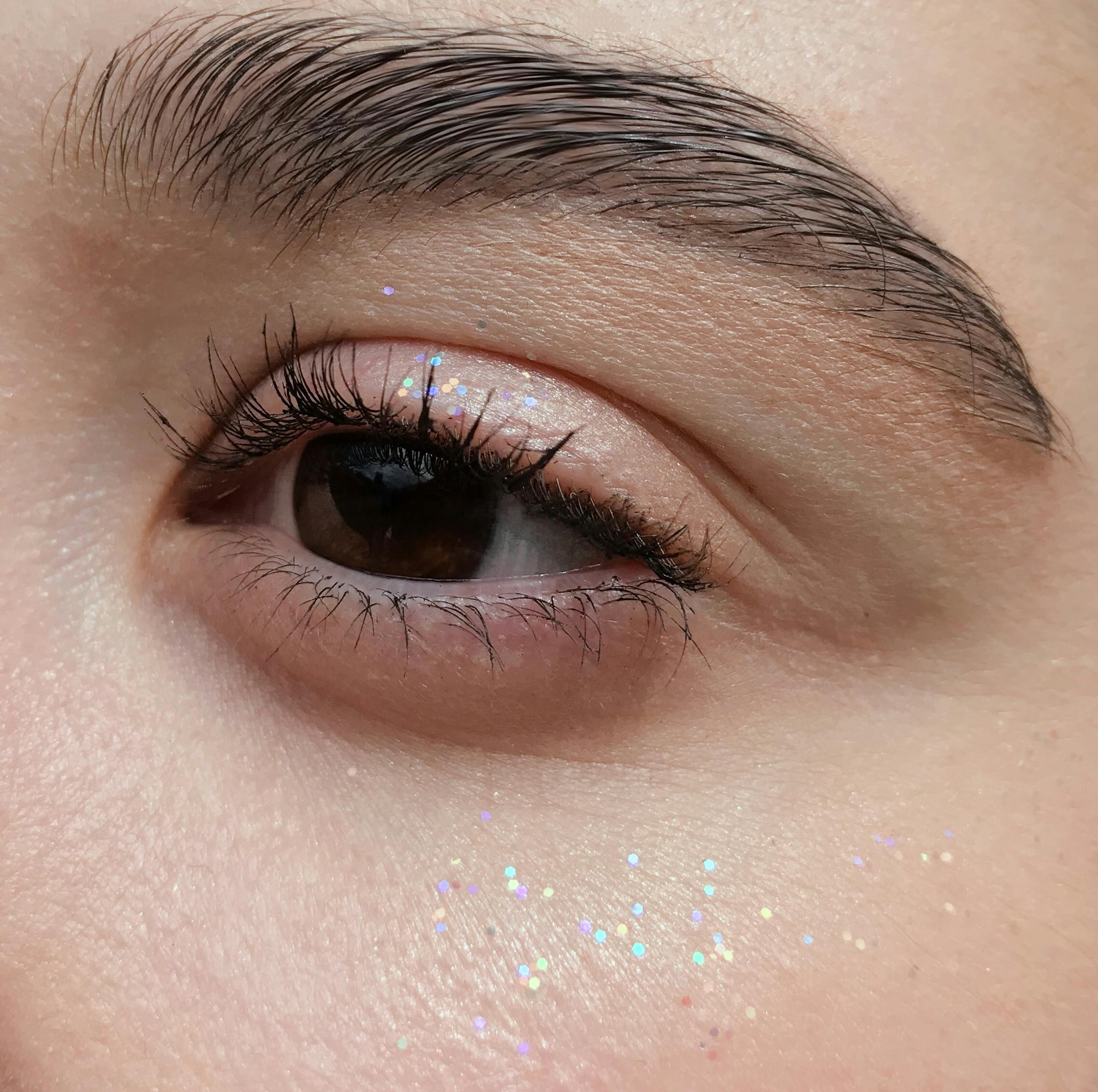
The main appeal of microblading lies in its hair-like strokes. Each mark mimics the look of real hair, which makes it ideal for achieving a natural result. These strokes blend with existing brow hairs and help reshape or rebuild sparse areas.
Traditional Tattooing Looks More Solid
Eyebrow tattooing creates a shaded or filled-in appearance. The pigment tends to appear more like makeup than natural hair. While modern tattooing techniques can be adjusted for softness, the overall effect is usually more bold and uniform than microblading.
Longevity and Fading
How Long Microblading Lasts
Microblading generally lasts between one to two years. As the pigment is placed closer to the surface of the skin, it fades gradually. Factors such as sun exposure, skincare products, and skin type affect how quickly the colour lightens. Touch-ups are often required annually to maintain shape and depth.
How Long Tattooing Lasts
Traditional tattooing penetrates deeper into the skin, allowing pigment to remain for several years. While fading still occurs, it happens more slowly. Some clients may need only occasional refresh sessions over a longer span. This durability appeals to those wanting minimal upkeep.
Healing and Aftercare
Healing Timeline for Microblading
Healing after microblading takes about four to six weeks. In the first week, the brows may appear darker and experience flaking or light scabbing. Some areas may fade unevenly until the pigment settles. After this phase, a touch-up appointment is scheduled to fine-tune the shape and fill in any gaps.
Healing Process After Tattooing
The healing process for traditional eyebrow tattoos is similar but may take slightly longer due to the deeper application. The area might feel more sensitive, and swelling or redness can occur. It is important to follow aftercare guidelines to avoid infection and promote even pigment retention.
Maintenance and Touch-Ups
Microblading Requires More Frequent Maintenance
Due to the semi-permanent nature of microblading, clients are usually advised to return every 12 to 18 months for touch-ups. This maintains the crispness of the strokes and keeps the brows looking defined. Over time, without maintenance, the strokes may fade into a light haze.
Tattooing Stays Longer with Fewer Sessions
Traditional tattooing doesn’t require as many follow-up visits. Touch-ups may still be needed every few years, but the base colour and shape remain visible for much longer. This option suits those with busy schedules who prefer a longer-term solution.
Comfort and Sensation
Microblading Feels Like Light Scratching
During microblading, clients often report a scratching or tingling sensation. Numbing cream is applied beforehand to reduce discomfort. The procedure is generally well tolerated and less intense than traditional tattooing due to the shallower pigment placement.
Tattooing Can Feel More Intense
Traditional eyebrow tattooing may feel more like a vibrating pressure or prickling due to the use of a machine. The technician will still apply anaesthetic to manage discomfort, but the sensation is typically stronger than with manual methods.
Skin Type and Technique Compatibility
Microblading Works Best on Normal to Dry Skin
Clients with normal to dry skin usually experience better pigment retention with microblading. Oily skin tends to push the pigment out more quickly, causing the strokes to blur or fade faster. For these clients, alternative techniques may offer better outcomes.
Tattooing Suits Oily or Mature Skin
Those with oilier or mature skin may benefit from the durability of traditional tattooing. The deeper pigment placement holds better in such conditions, and the risk of stroke blurring is lower. Artists often adjust techniques to match the skin’s needs.
Adjustability Over Time
Microblading Offers Flexibility
One advantage of microblading is that its fading allows clients to adjust shape or style over time. As preferences change, the brows can be redefined at future appointments. This flexibility appeals to those who want to update their look without full removal.
Tattooing Is Less Adaptable
Due to the depth and permanence of traditional tattooing, changes are more difficult to make. While some adjustments can be made through laser removal or colour correction, it’s less straightforward than with microblading. Clients should be sure of their preferred shape and style before committing.
Safety and Risks
Working With a Trained Artist Matters
Whether choosing microblading or tattooing, safety comes down to proper technique and hygiene. Artists should use sterile tools, wear gloves, and work in a clean environment. Choosing a certified and experienced professional ensures a lower risk of infection, uneven application, or pigment migration.
Potential Side Effects
Both treatments carry mild risks such as swelling, redness, or allergic reaction. Patch tests may be offered beforehand to test pigment compatibility. Following aftercare instructions strictly reduces the risk of complications and supports proper healing.
Frequently Asked Questions
Is microblading or tattooing better for sensitive skin?
Sensitive skin can react to either method, but microblading is often gentler due to its manual application and shallow depth. A consultation with a technician helps assess the best approach based on your skin history and concerns.
Can I switch from microblading to tattooing later?
Yes, clients often start with microblading and later choose traditional tattooing for longer-lasting results. It’s important to allow the pigment to fade before switching techniques, so the new application sits clearly and evenly.
Will either treatment look natural?
Both methods can produce natural-looking results when done by a skilled technician. Microblading offers a hair-stroke finish, while newer tattooing techniques have advanced to include softer shading. The final look depends on your chosen style, pigment, and the artist’s experience.
Conclusion
Understanding eyebrow microblading vs traditional tattooing explained helps clients make confident decisions based on appearance goals, skin type, and lifestyle. Microblading appeals to those seeking a soft, natural result with flexibility, while traditional tattooing suits clients wanting a more durable, defined brow with fewer follow-ups.
Both methods have their place in modern cosmetic tattooing, and the right choice depends on individual needs. Paired with other services such as permanent eyeliner Melbourne professionals offer, clients can enjoy a refined, low-maintenance look that lasts. By selecting an experienced technician and following aftercare carefully, you can achieve the brow shape and style that fits your face and routine perfectly.