
In recent years, technological innovation has transformed the field of aesthetic medicine, particularly in the area of hair removal and skin treatments.
What once required repeated waxing appointments or temporary grooming routines can now be addressed with advanced laser systems designed for long-term results. As clinics promote cutting-edge procedures, many individuals ask an important question: What is advanced laser therapy?
Advanced laser therapy refers to the next generation of laser-based treatments that use refined technology, improved safety mechanisms, customizable settings, and enhanced precision to deliver more effective and comfortable results.
In the context of hair removal, advanced laser systems are engineered to provide efficient hair reduction across various skin tones and hair types while minimising discomfort and downtime.
This comprehensive guide explores Advanced Laser Hair Therapy in depth. It explains how modern laser systems work, what distinguishes advanced platforms from older technologies, who can benefit from them, and what results can realistically be expected.
Understanding the Basics of Laser Technology
Before exploring what makes laser therapy “advanced,” it is essential to understand how standard laser hair removal works. Laser systems use focused light energy at specific wavelengths. This light targets melanin, the pigment found in hair follicles.
When the laser light is absorbed by the pigment, it converts into heat. That heat damages the follicle, impairing its ability to produce new hair. Because hair grows in cycles, multiple sessions are required to treat follicles during their active growth phase.
Traditional laser systems were highly effective for individuals with light skin and dark hair, but they had limitations when treating darker skin tones or lighter hair colours. Technological advancements have significantly expanded these capabilities.
The Science Behind Selective Photothermolysis
Advanced laser therapy is based on a scientific principle called selective photothermolysis. This process allows laser energy to selectively target pigmented hair follicles while minimising damage to surrounding skin.
By adjusting wavelength, pulse duration, and energy levels, practitioners can customise treatments according to individual skin and hair characteristics. Modern systems incorporate refined control mechanisms that enhance both safety and effectiveness.
What Is Advanced Laser Therapy
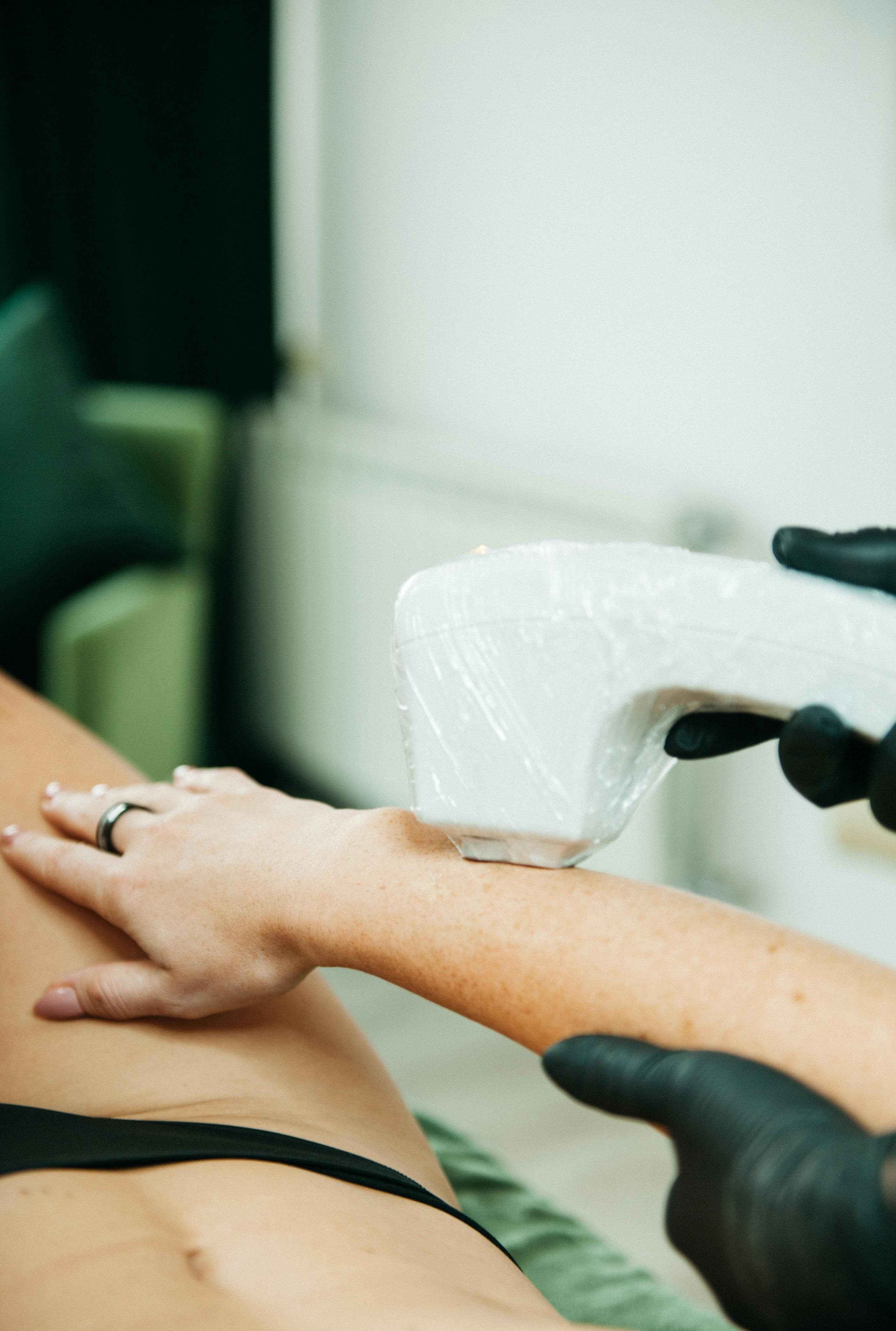
Advanced laser therapy refers to the use of next-generation laser devices that incorporate improved wavelength precision, cooling technologies, faster treatment speeds, and adaptive settings for diverse skin tones. These systems are designed to enhance results while reducing discomfort and risk.
Unlike earlier technologies, advanced laser platforms are capable of treating a broader range of skin types safely. They offer customizable treatment parameters that allow practitioners to adjust energy levels based on skin sensitivity, hair thickness, and treatment area.
Advanced laser therapy is not limited to hair removal. It can also include skin rejuvenation, pigmentation correction, vascular treatments, and acne management. However, in the context of advanced laser hair therapy, the focus is on long-term hair reduction using enhanced equipment.
Key Features of Advanced Laser Systems
Modern advanced laser systems include integrated cooling mechanisms that protect the skin’s surface during treatment. Some devices use contact cooling tips, cryogen spray cooling, or air cooling systems to improve comfort. These platforms often feature multiple wavelength options in a single device, allowing tailored treatment for different skin tones and hair depths.
How Advanced Laser Hair Therapy Works
Advanced laser hair therapy uses refined wavelengths such as 755 nm, 810 nm, and 1064 nm, each designed to target specific hair and skin characteristics. By selecting the appropriate wavelength, practitioners can effectively treat various skin types while minimising side effects.
The laser pulse penetrates the skin and is absorbed by the melanin in the hair shaft. Heat travels down to the follicle, disrupting its ability to regrow hair.
Because only hairs in the active growth phase respond effectively, treatments are spaced several weeks apart to capture follicles at the correct stage.
Treatment Sessions and Timeline
Most individuals require six to eight sessions for significant hair reduction. Advanced systems often reduce treatment time due to larger spot sizes and faster pulse repetition rates. Results typically become noticeable after a few sessions, with hair regrowth becoming finer and less dense over time.
Differences Between Traditional and Advanced Laser Therapy
Advanced laser therapy distinguishes itself through precision, versatility, and enhanced comfort. Traditional laser systems were effective but often required cautious application for darker skin tones. Advanced systems incorporate adaptive energy settings that reduce the risk of pigmentation changes.
Additionally, modern devices allow for quicker sessions, making large areas like legs or back more efficient to treat.
Improved Safety Measures
Advanced systems are equipped with real-time skin monitoring and cooling technologies. These features help reduce the risk of burns or irritation. Professional training combined with technological improvements enhances overall treatment safety.
Suitability for Different Skin Types
One of the most significant advantages of advanced laser therapy is its ability to treat a diverse range of skin tones safely. Earlier technologies were limited in treating darker complexions due to higher melanin levels in the skin.
Advanced lasers, particularly those with longer wavelengths such as 1064 nm, are better suited for darker skin types because they penetrate deeper while minimising epidermal absorption.
Treating Light and Fine Hair
While laser therapy is most effective on dark hair, some advanced systems have improved their ability to address finer hair types. However, extremely light or grey hair may still respond better to alternative methods like electrolysis.
Comfort and Patient Experience
Advanced laser therapy prioritises patient comfort. Integrated cooling systems significantly reduce discomfort during treatment. Many individuals describe the sensation as a mild snapping feeling. Shorter session times also enhance convenience and reduce overall treatment stress. Post-treatment effects such as redness or mild swelling typically resolve within a few hours.
Minimal Downtime
Advanced laser therapy requires little to no downtime. Patients can resume normal activities immediately after treatment. Sun protection and gentle skincare are recommended to protect treated areas.
Long-Term Results and Expectations
Advanced laser hair therapy provides long-term hair reduction rather than guaranteed permanent removal of every follicle. Many individuals experience a 70 to 90 per cent reduction in hair density after completing treatment.
Maintenance sessions once or twice a year may be needed due to hormonal changes or activation of dormant follicles. Setting realistic expectations ensures satisfaction with outcomes.
Managing Hormonal Influences
Hormonal fluctuations, such as pregnancy or medical conditions, can stimulate new hair growth. Advanced laser systems can address new growth effectively during maintenance sessions. Understanding biological limitations helps maintain confidence in results.
Safety Considerations
Advanced laser therapy is generally safe when performed by trained professionals. Temporary redness and mild swelling are common but resolve quickly. Rare complications such as pigmentation changes are minimised with proper equipment and skilled application. Choosing certified practitioners ensures safe and effective treatment.
Importance of Professional Consultation
A consultation assesses skin type, medical history, and treatment goals. Patch testing may be conducted to determine safe energy settings. Personalised treatment planning enhances outcomes.
Cost and Value of Advanced Laser Therapy
Advanced laser treatments may involve higher upfront costs due to sophisticated technology. However, long-term reduction reduces ongoing expenses associated with waxing or shaving. Package pricing is often available for multiple sessions. When considering long-term convenience, time savings, and confidence benefits, advanced laser therapy offers strong value.
Evaluating Investment Over Time
Calculating the cumulative cost of temporary hair removal methods over several years often highlights the financial practicality of laser therapy. The reduction in daily grooming routines contributes to lifestyle convenience.
Frequently Asked Questions
What is advanced laser therapy?
Advanced laser therapy refers to next-generation laser treatments that use improved wavelengths, cooling systems, and customizable settings to provide safe and effective hair reduction across diverse skin types.
Is it safe for all skin tones?
Modern advanced laser systems are designed to treat a broad range of skin tones safely when operated by trained professionals.
How many sessions are required?
Most individuals need six to eight sessions spaced several weeks apart for optimal results.
Conclusion
Advanced laser hair therapy represents a significant evolution in aesthetic technology. By incorporating precise wavelength control, enhanced cooling systems, and adaptable treatment settings, advanced laser therapy offers safer, faster, and more effective hair reduction for a wider range of individuals.
While it does not guarantee the complete and permanent removal of every hair follicle, it provides a substantial long-term reduction with minimal downtime and high patient satisfaction. Understanding what advanced laser therapy truly involves allows individuals to make informed decisions and approach treatment with realistic expectations and confidence.