
Steel fabrication has long been a cornerstone of construction, manufacturing, and engineering. However, as industries evolve and demand tighter tolerances, lighter components, and highly detailed assemblies, traditional fabrication methods alone are no longer sufficient.
This is where precision steel fabrication becomes essential. It represents a refined approach to shaping, cutting, and assembling steel with exact measurements and strict quality control.
This article explores Precision Steel Fabrication in depth and answers the central question: What is precision sheet metal fabrication? By examining processes, technologies, materials, applications, advantages, and quality standards, this guide provides a comprehensive understanding of how precision fabrication supports modern industry.
Understanding Precision Steel Fabrication
Precision steel fabrication refers to the highly controlled process of cutting, shaping, bending, and assembling steel components with extremely tight tolerances and exact measurements. Unlike conventional fabrication, which may allow for broader dimensional flexibility, precision fabrication demands accuracy often measured in fractions of a millimetre.
Precision steel fabrication is commonly used in industries where component fit, performance, and safety depend on exact specifications. These industries include aerospace, automotive manufacturing, electronics, medical equipment production, energy systems, telecommunications, and advanced construction projects.
Precision fabrication integrates advanced technology, skilled craftsmanship, and strict inspection procedures to produce steel components that meet exact engineering standards.
What Is Precision Sheet Metal Fabrication?
Precision sheet metal fabrication is a specialised branch of steel fabrication that focuses on manufacturing thin steel sheets into precise components using advanced cutting, bending, forming, and assembly techniques. It involves working with sheet metal materials—typically ranging from thin gauge to moderately thick sheets—and shaping them into products that require high dimensional accuracy.
The process uses computer-controlled machinery such as CNC laser cutters, punch presses, press brakes, and automated forming equipment to ensure consistent results. Precision sheet metal fabrication is commonly used to create enclosures, panels, brackets, housings, cabinets, chassis, ductwork, and intricate assemblies for industrial and commercial applications.
The defining feature of precision sheet metal fabrication is its emphasis on tight tolerances, repeatability, and consistent quality across production batches.
The Importance of Precision in Steel Fabrication
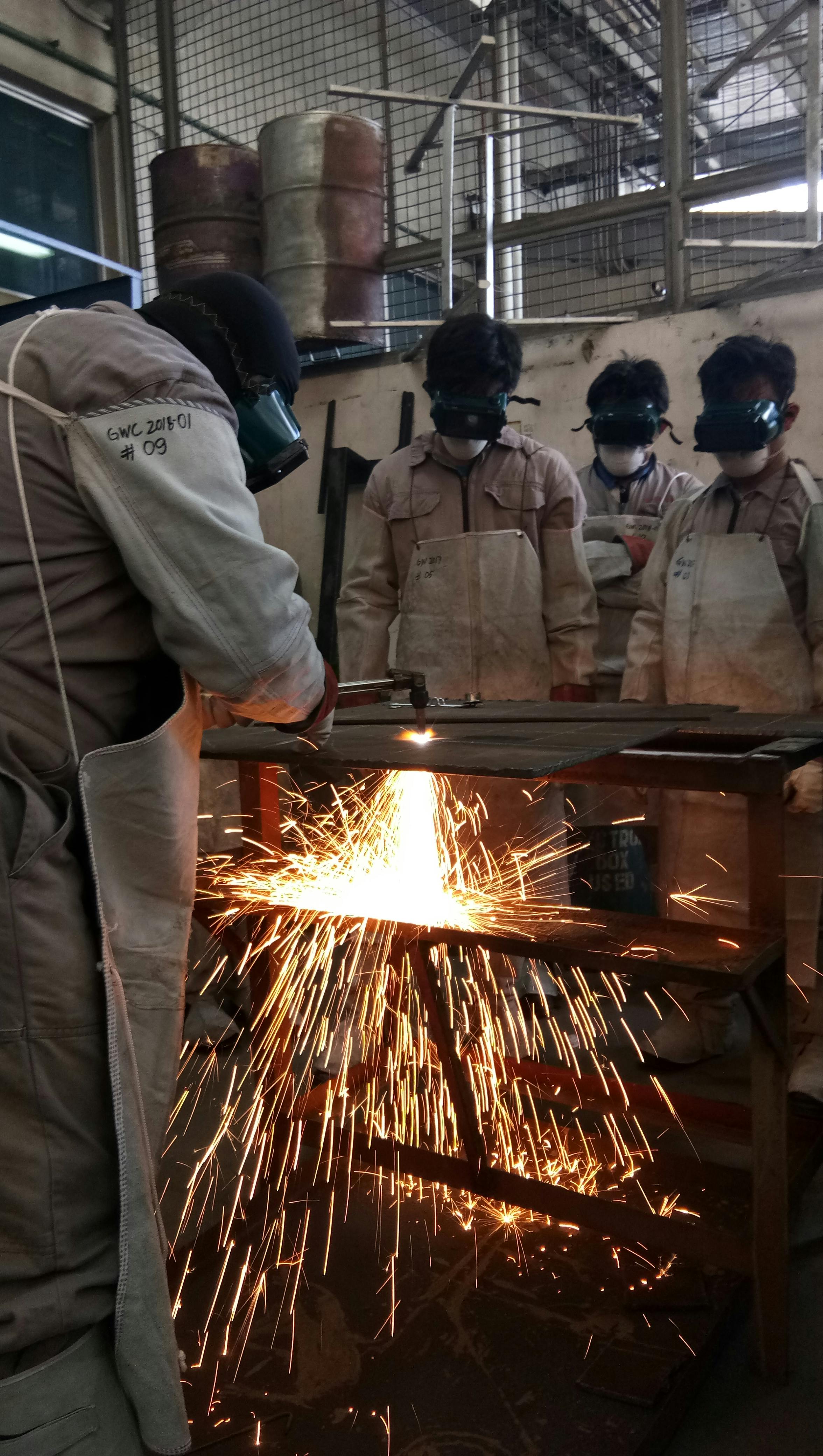
Precision is critical in many modern applications because even minor dimensional variations can cause assembly issues, mechanical failure, or reduced product performance. In sectors such as electronics or aerospace, components must align perfectly with other parts to ensure safety and functionality.
Precision steel fabrication reduces the need for on-site adjustments, improves installation efficiency, and enhances overall structural integrity. Accurate fabrication also minimises material waste and reduces production costs in the long term.
Materials Used in Precision Steel Fabrication
Precision fabrication can involve several types of steel depending on project requirements. Mild steel is commonly used for general fabrication due to its affordability and workability. Stainless steel is chosen for corrosion resistance and hygienic applications.
Galvanised steel is used where rust protection is required. High-strength alloy steels are selected for demanding structural or mechanical applications. Material thickness and grade selection depend on load requirements, environmental conditions, and intended use.
Key Processes in Precision Sheet Metal Fabrication
Precision sheet metal fabrication involves multiple carefully controlled processes.
Computer-Aided Design and Engineering
The process begins with detailed digital design using computer-aided design software. Engineers create 3D models and technical drawings that specify dimensions, tolerances, and material types. Digital modelling ensures that designs are optimised before production begins.
Laser Cutting
Laser cutting is one of the most common techniques in precision fabrication. High-powered lasers cut sheet metal with exceptional accuracy and minimal distortion. This process produces clean edges and intricate shapes. Laser cutting is ideal for complex patterns and detailed designs.
CNC Punching
CNC punching machines create holes, slots, and shapes in sheet metal using programmed instructions. The automated system ensures consistent placement and high-speed production. Punching is often used for electrical panels, ventilation holes, and mounting features.
Bending and Forming
Press brakes and forming machines bend sheet metal into precise angles and shapes. Computer-controlled systems calculate the correct force and positioning to achieve accurate results. Precision bending ensures proper alignment during final assembly.
Welding and Joining
Precision welding joins sheet metal components with minimal distortion. Techniques such as TIG welding are often used for fine and detailed work. Other joining methods include riveting, bolting, and adhesive bonding, depending on application requirements.
Finishing and Surface Treatment
Surface treatments such as powder coating, painting, anodising, or galvanising enhance durability and appearance. Finishing also protects components from corrosion. Precision finishing ensures uniform coating thickness and aesthetic consistency.
Applications of Precision Sheet Metal Fabrication
Precision sheet metal fabrication supports a wide range of industries. In the electronics industry, it is used to manufacture enclosures for control systems, server cabinets, and protective housings.
In the automotive sector, precision components support engine systems, dashboards, brackets, and structural reinforcements.
In medical equipment manufacturing, sheet metal fabrication creates sterile housings, instrument frames, and protective panels.
In telecommunications, fabricated metal enclosures protect sensitive equipment from environmental exposure.
In construction, precision sheet metal is used for architectural cladding, HVAC ducting, and structural detailing.
Advantages of Precision Steel Fabrication
Precision steel fabrication offers several benefits.
High accuracy ensures components fit together seamlessly, reducing assembly time and errors.
Automation increases efficiency and production speed while maintaining consistent quality.
Repeatability allows manufacturers to produce identical components in large volumes.
Material optimisation reduces waste and improves cost efficiency.
Enhanced durability ensures long-lasting performance in demanding environments.
Technology Driving Precision Fabrication
Advanced technology plays a crucial role in precision steel fabrication. CNC machines enable programmable control over cutting, punching, and bending processes. Robotic welding systems enhance consistency and reduce human error.
Automated inspection tools measure dimensions and verify compliance with design specifications. Building Information Modelling integrates fabrication data with construction planning, improving coordination. Industry 4.0 technologies enable real-time monitoring of production processes, increasing efficiency and quality control.
Quality Control in Precision Fabrication
Precision fabrication requires rigorous inspection procedures.
Dimensional measurements are verified using digital callipers, coordinate measuring machines, and laser scanners.
Weld quality is assessed through visual inspection and non-destructive testing.
Surface finishes are inspected to ensure uniform coating and corrosion protection.
Quality documentation ensures traceability and compliance with industry standards.
Challenges in Precision Steel Fabrication
Despite its advantages, precision fabrication presents challenges.
Tight tolerances require advanced equipment and skilled operators.
Material distortion during welding or bending must be carefully managed.
Equipment calibration is essential to maintain accuracy.
Production costs may be higher due to advanced technology and quality control requirements.
However, the long-term benefits of precision often outweigh these challenges.
Sustainability in Precision Fabrication
Precision fabrication contributes to sustainability by minimising material waste through optimised cutting patterns. Efficient manufacturing reduces energy consumption. Steel’s recyclability supports environmentally responsible production practices. Durable precision components reduce replacement frequency and support sustainable infrastructure.
The Role of Skilled Professionals
Although automation is integral, skilled professionals remain essential in precision fabrication.
Engineers design accurate models.
Machine operators program CNC equipment.
Certified welders perform fine joining tasks.
Quality inspectors ensure compliance with specifications.
Continuous training ensures workforce competence in advanced fabrication techniques.
Frequently Asked Questions
What is precision sheet metal fabrication?
Precision sheet metal fabrication is the process of cutting, bending, forming, and assembling thin steel sheets into highly accurate components using advanced computer-controlled machinery and strict quality control standards.
Where is precision sheet metal fabrication commonly used?
It is widely used in industries such as electronics, automotive manufacturing, medical equipment production, telecommunications, HVAC systems, and advanced construction projects.
Why is precision important in sheet metal fabrication?
Precision ensures proper fit, reliable performance, reduced assembly errors, and compliance with engineering requirements, especially in industries where tight tolerances are critical.
Conclusion
Precision steel fabrication represents the evolution of traditional metalworking into a highly controlled, technology-driven process that delivers accuracy, consistency, and reliability. Within this field, precision sheet metal fabrication plays a crucial role in producing lightweight yet durable components used across diverse industries.
By integrating advanced machinery, skilled craftsmanship, and rigorous quality control, precision fabrication meets the growing demand for exact measurements and dependable performance.
As industries continue to innovate and require increasingly complex components, precision steel fabrication will remain essential in supporting technological advancement, industrial efficiency, and modern engineering excellence.