
A garage can easily become the most chaotic space in a home. Boxes pile up, tools disappear, and sporting equipment drifts into corners until the car no longer fits. Transforming that chaos into order begins with a structured plan and the right storage strategies.
Moving from clutter to clarity: steps to a functional, well‑organised garage involves decluttering, zoning, and choosing practical systems like garage storage containers that make everything accessible and easy to maintain.
Below, you’ll find a complete guide to turning your garage into a clean, efficient and well‑organised extension of your home.
Start With a Full Clear‑Out
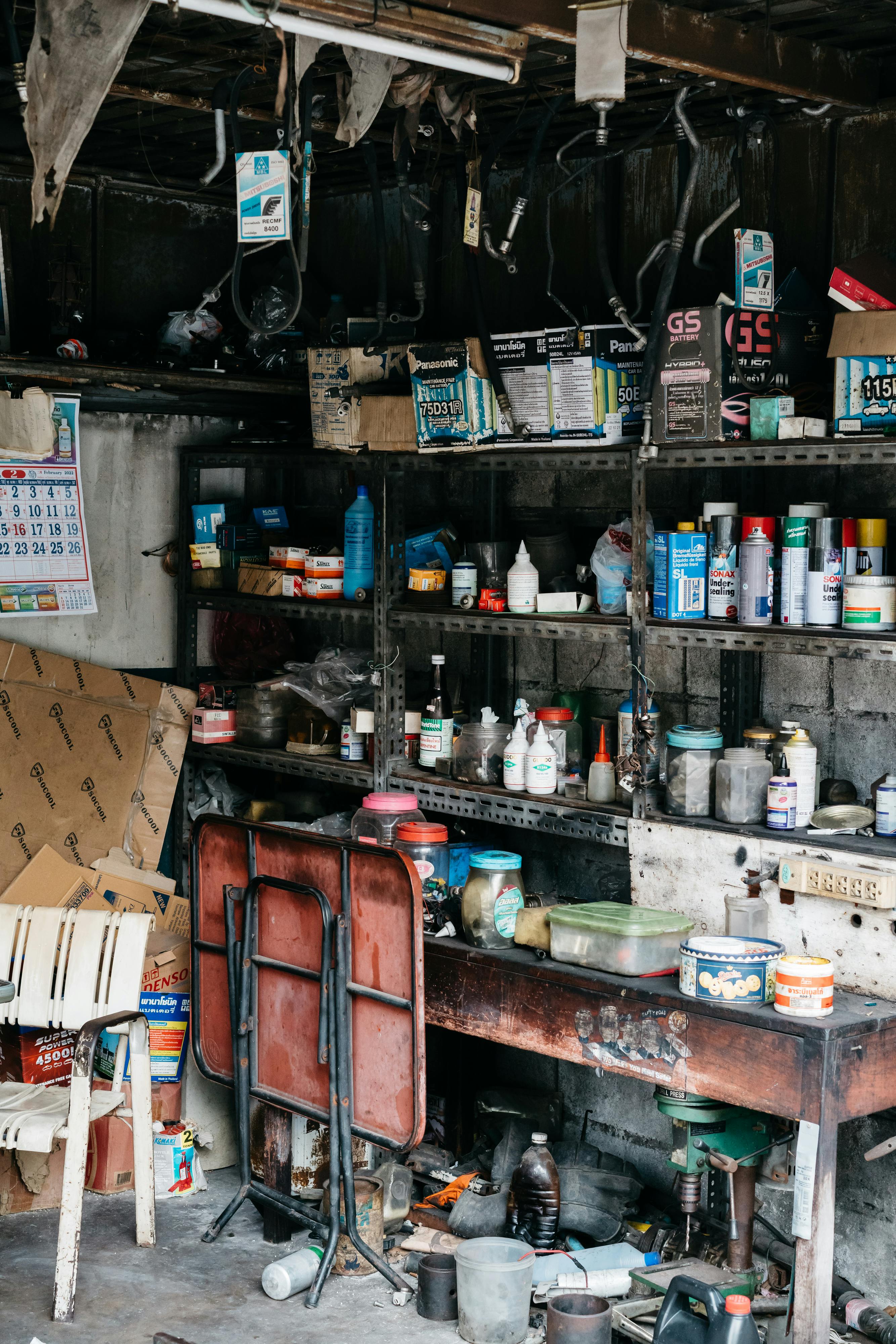
Before you can organise anything, you need a clean slate. A complete clear‑out helps you see what you have, what you actually use, and what needs to be removed.
Remove Everything From the Garage
Empty the garage entirely so you can sort items properly. This also lets you check for damage, pests, leaks or stains that may need attention before reorganising.
Group Items by Category
Sorting is easier when everything is categorised. Common groups include:
- Sporting equipment
- Garden tools
- Camping gear
- Tools and hardware
- Seasonal items
- Cleaning supplies
Once grouped, you can decide how much space each category needs and what storage method suits it best.
Assess What Needs to Stay
This stage helps prevent clutter from returning. Keeping only what you use preserves valuable space and supports long‑term organisation.
Decide What to Keep, Donate or Discard
If something hasn’t been used for a year, is broken, or no longer fits your needs, it’s time to let it go. Freeing up space now helps prevent overcrowding later.
Consider Household Priorities
Your garage should support your lifestyle. If your family cycles regularly, make bike storage a priority. If you garden often, dedicate accessible shelving and hooks to garden tools.
Create Clear Storage Zones
Zoning your garage transforms it from a random dumping area into a structured, logical space.
Assign Areas for Each Category
Create distinct sections such as tool zones, sports corners, garden areas or seasonal shelves. Keeping related items together makes them easier to find and return.
Keep Frequently Used Items Accessible
Items you use weekly should be stored at eye level or within easy reach. Less‑used items can go higher or be placed toward the rear of the garage.
Use Vertical and Overhead Space Wisely
Floor space disappears quickly in small or busy garages. Using walls and ceilings increases capacity without creating clutter.
Install Pegboards or Slatwall Systems
These systems hold hooks, baskets and tool holders. They keep tools visible and prevent bench clutter. You can rearrange accessories as your needs change.
Add Ceiling Racks
Overhead racks are ideal for tubs containing seasonal or bulky items. This keeps the floor clear for cars, workbenches or pathways.
Incorporate Garage Storage Containers
One of the most effective ways to stay organised is to use garage storage containers that protect items and keep them sorted.
Choose Containers That Fit Shelves
Select stackable tubs that match your shelving depth and height. Uniformity allows better stacking and a cleaner layout.
Label Clearly for Fast Identification
Use large, easy‑to‑read labels on multiple sides so containers can be identified no matter how they’re placed.
Build or Install Smart Shelving
Shelves form the backbone of a functional garage. Choosing the right type determines how well your system handles weight, change and long‑term use.
Adjustable Shelving for Flexible Storage
Adjustable metal or timber shelving suits garages with changing storage needs. You can shift shelf heights as gear changes or as new tubs are added.
Heavy‑Duty Units for Tools and Hardware
For power tools or workshop equipment, choose shelving with strong load ratings. This prevents sagging and improves safety.
Add Hooks, Racks and Specialised Holders
Not everything belongs in a container or on a shelf. Hooks and holders help store oddly shaped items.
Wall Hooks for Large Gear
Hang items like bicycles, hoses, ladders or timber off the ground. This frees floor space and reduces trip hazards.
Specialised Holders for Sports Equipment
Racks designed for balls, bats, boards and helmets keep sporting gear tidy and prevent damage.
Create a Functional Work Area
If your garage doubles as a workshop or DIY zone, build a workspace that supports productivity.
Install a Workbench
Choose a sturdy bench suited to your tasks. Add drawers or racks underneath for extra storage. Pair with pegboards above for tools you use frequently.
Ensure Good Lighting
Garages often lack natural light. Install LED strips or task lighting above your bench to improve visibility and safety.
Improve Safety and Cleanliness
A functional garage should also be safe and easy to maintain.
Store Chemicals and Sharp Tools Securely
Use lockable cabinets for hazardous items. Place them out of reach of children and away from moisture sources.
Keep the Floor Clear
Clear floors reduce tripping hazards and simplify cleaning. With well‑designed vertical and overhead storage, very little needs to remain on the ground.
Maintain a Regular Organisation Routine
Once your garage is organised, staying on top of it is essential for long‑term clarity.
Schedule Seasonal Reviews
Rotate items seasonally. Move winter items higher in summer and vice versa. This ensures daily access to what you use most.
Re‑label and Re‑sort as Needed
As new items enter your garage, update labels and adjust zones. A five‑minute adjustment now prevents clutter later.
Use Multi‑Purpose Solutions for Small Garages
Not every garage has space for full cabinetry or large shelving units. Compact storage solutions offer flexibility.
Over‑door Hooks and Racks
The back of the garage door is often underused. Install hooks or hanging pockets for light items like gloves, cleaning rags or spray bottles.
Foldable Workbenches
A drop‑down bench provides workspace without permanently occupying floor space. This is excellent for smaller garages or multi‑purpose areas.
Convert Dead Space Into Storage Space
Unused corners, narrow gaps and high walls offer hidden potential.
Slimline Shelving for Tight Areas
Tall, narrow shelves suit slim spaces beside appliances or wall edges. They’re ideal for brooms, sprayers or narrow containers.
Corner Shelving for Stability
Corner shelves stabilise shelving units and provide additional storage without blocking pathways.
Keep Items Protected From Dust and Moisture
Garages are exposed to temperature fluctuations, dust and sometimes leaks.
Choose Airtight Containers
For items susceptible to moisture—like paper goods, fabrics or electronics—use airtight tubs. Store them off the floor to prevent damage.
Use Protective Covers
Tarps or fitted covers for bikes, mowers or gym equipment keep dust off and prolong the life of your gear.
Frequently Asked Questions
How do I organise a garage with very limited space?
Use walls and ceilings as much as possible. Install hooks, overhead racks and slimline shelves. Use labelled garage storage containers to group items neatly. Avoid leaving anything on the floor unless absolutely necessary.
What’s the best way to store seasonal items in a garage?
Store them in labelled containers placed on upper shelves or overhead racks. Create a seasonal rotation system so frequently used items remain easily accessible throughout the year.
How can I keep tools organised long‑term?
Use pegboards, magnetic strips and drawer organisers. Store tools by category and return each item to its designated place after use. A clear system prevents future clutter.
Conclusion
Moving from clutter to clarity: steps to a functional, well‑organised garage requires planning, zoning and smart storage choices. By using vertical space, incorporating shelving and hooks, and selecting practical solutions like garage storage containers, you can transform a messy garage into a tidy, efficient and user‑friendly space.
A well‑organised garage saves time, reduces stress, and enhances home safety. With regular maintenance and thoughtful layout updates, your garage can remain functional and clutter‑free for years.