
Booking an inspection is one of the most effective ways to protect your property investment. Whether you’re buying, selling, or maintaining a home, inspection services help identify defects, safety issues, and hidden risks. But not all services are equal. Pricing, report quality, inspector experience and scope can vary widely, which makes comparison essential if you want to get real value for money.
Understanding the differences between providers helps you avoid overpaying for a rushed job—or worse, missing out on critical information. Early detection of risks such as conditions conducive to timber pest activity can save thousands in repairs, so knowing how to evaluate providers is a smart step.
Why Comparing Inspection Services Matters
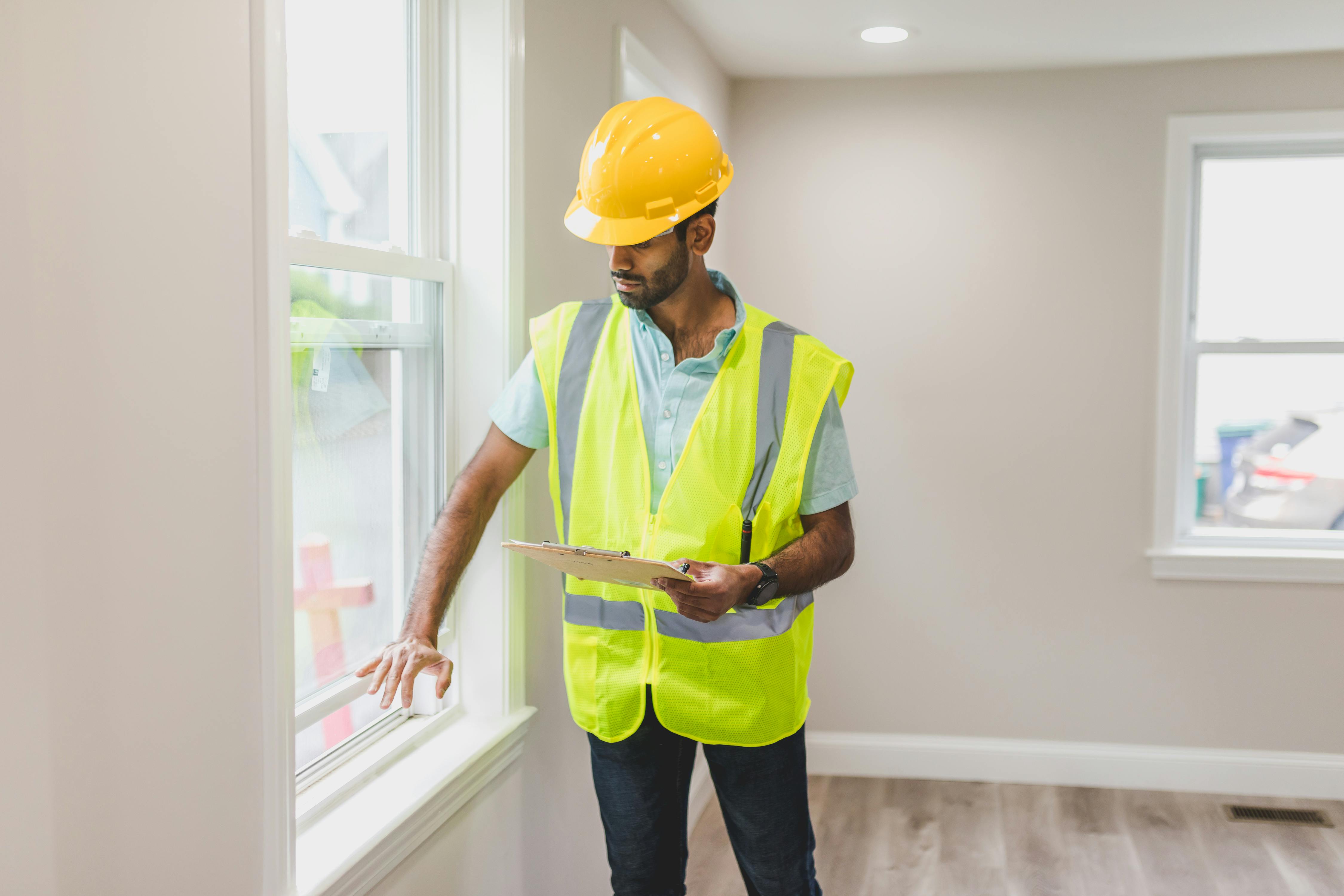
The Risk of Choosing Based on Price Alone
Many buyers are tempted to choose the cheapest inspection available. While cost is a factor, relying on price alone can lead to disappointment. A low-cost service may mean the inspector spends less time on-site, uses basic tools, or delivers a vague report.
Inspection reports are used to guide buying decisions, negotiate prices, or plan maintenance. If the information isn’t thorough, you’re left exposed to risk. Getting value for money doesn’t mean going for the lowest number—it means balancing cost with expertise, report quality and scope.
Variations in Report Quality
Some inspectors use generic checklists, while others produce customised reports that reflect the actual condition of the property. A well-written report includes detailed observations, supporting photos, and clear language. It highlights not just current problems, but future risks such as cracking foundations, roof ageing, or conditions conducive to timber pest activity.
Knowing what you’re paying for makes it easier to justify the fee and trust the findings.
Key Features to Compare
Inspector Qualifications and Licensing
In Australia, inspectors should hold building qualifications relevant to the state or territory where they operate. Licensing requirements vary, so always confirm the inspector is accredited and insured.
Experienced inspectors are familiar with local construction types, climate conditions, and regional risks. This helps them spot issues others might overlook. Experience in specific inspections—such as new builds, rural properties, or multi-unit buildings—also adds value.
Scope of Inspection
Services differ in what they inspect. Some provide a general condition report, while others offer comprehensive assessments including:
- Internal and external structural review
- Roof cavity and subfloor access
- Moisture testing
- Pest activity and risk analysis
- Plumbing and electrical checks
You should ask if the inspection covers all accessible areas. Inspectors must also report on inaccessible parts and explain why they couldn’t be checked.
Use of Tools and Technology
Modern inspection services use advanced tools to uncover hidden defects. This includes moisture meters, thermal cameras, and telescopic poles with cameras for roof views. Using these tools improves the accuracy of the report.
Not every inspector uses advanced equipment, and some charge extra. Confirm what’s included in the standard price and whether any tools are used at no additional cost.
Comparing Report Detail and Format
What a Good Report Looks Like
Reports should be easy to understand, even if you have no construction knowledge. Each defect should be listed with its location, severity, likely cause, and recommendations. Photos showing the issue should be clearly labelled.
Reports that list issues in categories such as safety hazard, major defect, and minor maintenance help you decide what needs urgent attention. Vague or overly technical language limits the report’s usefulness.
Turnaround Time
Time is especially important when buying at auction or finalising a private sale. Some inspectors offer same-day summaries, with the full report delivered within 24 to 48 hours. Fast turnaround should not compromise quality.
Ask how long the inspector spends on-site, how long it takes to deliver the report, and whether you can contact them for clarification once it’s delivered.
Questions to Ask When Comparing Services
What’s Included in the Price?
Some services include pest assessments, while others charge separately. Ask whether items such as moisture readings or roof inspections are part of the base fee. Clarify if the inspector will enter the roof cavity and subfloor, or only inspect from accessible points.
Make sure you understand the total cost before booking to avoid unexpected fees. Compare at least three services on this basis.
Can You Attend the Inspection?
Some buyers prefer to attend the inspection or meet the inspector at the end. This gives you a chance to ask questions and hear a verbal summary. Not all inspectors allow this, particularly during busy seasons.
Being able to attend adds value because you can ask about any concerns on the spot, or request clarification before the written report arrives.
Do You Offer Post-Inspection Support?
Inspectors should be available after the report is delivered. Follow-up support might include answering questions, clarifying defects, or providing guidance on the next steps. This is especially helpful if you’re unsure about technical findings or how serious a defect might be.
Reports without access to support can leave buyers confused and unsure how to proceed.
Using the Report to Maximise Value
Understanding Risk Categories
When you receive the report, look for a breakdown of risk. Issues marked as safety risks or major structural concerns should be investigated immediately. Minor cosmetic issues can be fixed later or used as bargaining points during negotiations.
Items marked as conditions conducive to timber pest activity may not indicate an active infestation, but they highlight risks that should not be ignored. These include leaks, poor drainage, and timber in contact with soil. Addressing these early prevents more serious damage later.
Supporting Negotiations
Buyers often use inspection reports to negotiate better purchase terms. If the report reveals structural issues or expensive repairs, you may seek a price reduction or ask the seller to carry out the work before settlement.
A detailed report from a reputable inspector strengthens your position. Sellers are more likely to take your concerns seriously if you can point to photos, risk ratings, and clear defect descriptions.
Comparing Value for Money in Different Scenarios
Buying an Older Home
Older homes often require more detailed inspections. Subfloors, roof structures, and wiring are more likely to have wear. A provider offering thermal imaging and detailed moisture testing adds more value here than a basic visual-only service.
Purchasing a New Build
New homes can still have construction flaws. A service that offers both general inspection and warranty defect checks is ideal. These inspectors are familiar with current building standards and know where shortcuts may have been taken.
Rural and Coastal Properties
Rural homes face different risks compared to inner-city dwellings. Inspectors familiar with tank systems, septic setups, or corrosion from coastal exposure bring added insight. In this case, paying slightly more for a local specialist often delivers better results.
Frequently Asked Questions
How do I know if I’m getting a fair price for an inspection?
Compare the services offered, the inspector’s qualifications, and the report detail—not just the price. Ask about turnaround times, support availability, and the use of specialised equipment. Value comes from the quality of information, not just the dollar amount.
Are all inspection reports legally accepted?
Reports from licensed and insured inspectors carry more weight. If a dispute arises or you need to make a legal claim, a report from a qualified professional offers better protection. This is especially relevant for contract negotiations or when identifying major defects.
What happens if the inspection misses something important?
Professional indemnity insurance covers situations where an inspector overlooks a major issue. This is why it’s essential to hire a licensed professional with current insurance. If you’re concerned about report accuracy, speak to the inspector directly and request clarification.
Conclusion
Knowing how to compare inspection services and get value for money makes the difference between a helpful report and a wasted opportunity. Whether you’re buying, selling or managing property, the goal is not just to tick a box but to uncover facts that guide your next move.
From verifying inspector qualifications to reviewing the detail in their reports, the more informed your comparison, the better your outcome. Value comes from thorough inspections, timely reports, useful photos, and clear recommendations—not just the cheapest quote.
Whether you’re safeguarding against hidden damage or evaluating conditions conducive to timber pest activity, selecting the right inspection service ensures your decisions are grounded in fact, not guesswork. That’s how you turn inspection fees into long-term savings and security.